
Basement bugs
Springtails, silverfish and the other tiny bugs of a damp basement
Most small bugs in a damp Michigan basement are one of five: springtails, silverfish, millipedes, pillbugs or earwigs. None of them bites, and none damages the house except silverfish, which eat paper and starch. All five are there for the same reason: water. Here is how to tell them apart in a few seconds, and what actually makes them leave.
 By Nick Russler, ownerLicensed and insured in MichiganPublished
The short answer
- Tiny and jumps
- Springtail
- Shiny silver, out at night
- Silverfish
- Brown, curls up tight
- Millipede
- Gray, rolls into a ball
- Pillbug
- Pincers at the back
- Earwig
- What they share
- Moisture
Look at how it moves and what it does when you touch it. A speck that jumps is a springtail. A shiny, silvery insect out at night is a silverfish. A slow brown worm with lots of legs that curls up is a millipede, and a gray one that rolls into a ball is a pillbug. Pincers at the tail end mean an earwig. They are harmless to people, and university extension services agree on the fix: they live where it is wet, so fixing the moisture does more than any spray.
Prefer to listen? One minute.
The short version, read aloud. Read by a synthetic voice, not one of our technicians.
The basement is where they show up first: a scatter of specks by the floor drain, something silver under a box, a few curled-up millipedes by the wall after a heavy rain. It is easy to assume the house is infested.
Usually it is damp, not infested. Each of these bugs is telling you the same thing, and once you know which one you have, you also know where to look for the water.
Which bug is it?
| Bug | Size | How to tell | Does damage? |
|---|---|---|---|
| Springtail | 1/16 to 1/8 in | Jumps several inches when disturbed | No |
| Silverfish | About 1/2 in | Shiny, silver or pearl gray, active at night | Paper, glue, starch, dry food |
| Millipede | 1 to 1 1/2 in | Dark brown and worm-like, slow, curls up tight | No |
| Pillbug | Up to 3/4 in | Gray, oval, rolls into a ball | No |
| Earwig | About 5/8 in | Flat, reddish brown, pincers at the tail | No, indoors |
Sowbugs look like pillbugs but have two small tails and cannot roll up, per the University of Kentucky. And a jumping speck may be a springtail rather than a flea: fleas are hard-bodied and flattened side to side, while springtails are soft and easy to crush.
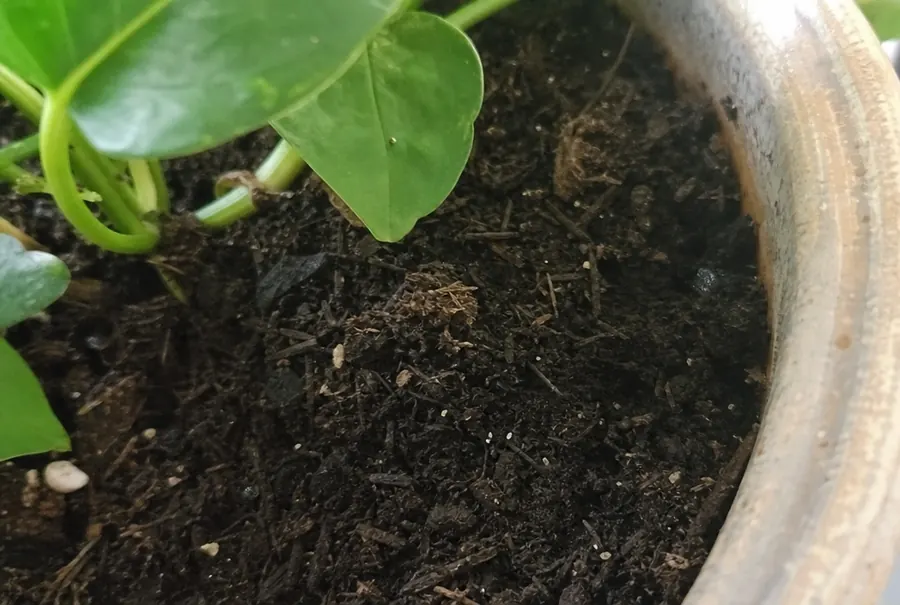
Springtails: specks that jump, often in wet soil
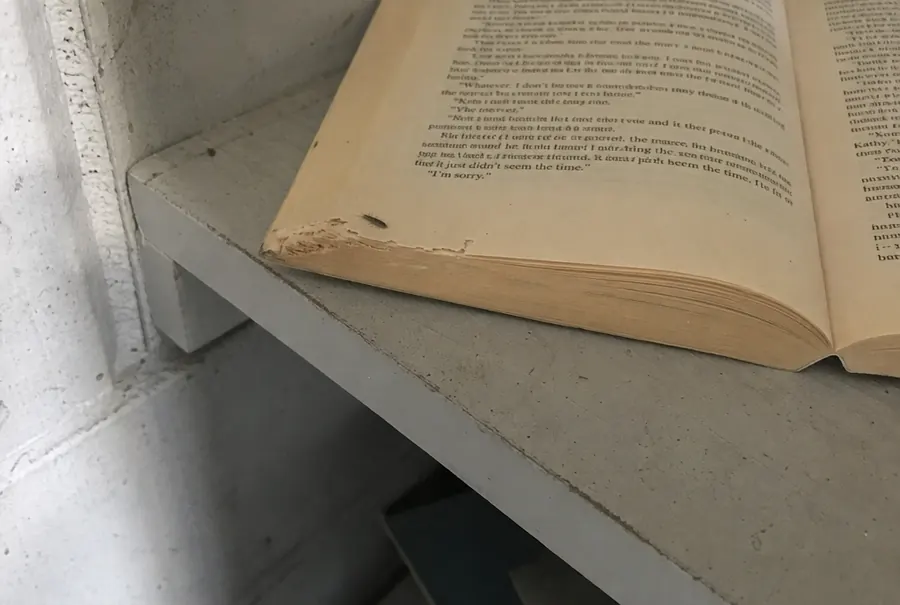
Silverfish: the one that damages things
Springtails: the ones that jump
Springtails are tiny, 1/16 to 1/8 of an inch, and usually dark gray, brown or black. They cannot fly, but they flick themselves several inches into the air with a forked structure under the body, per the University of Minnesota. They feed on fungi and decaying matter and do not bite, sting or damage anything.
Indoors, you find them around plumbing leaks, condensation, and the soil of overwatered houseplants. A lot of springtails means a lot of water. UMN is direct about it: pesticides are not effective against springtails and should not be used inside the home. They die off when the area dries.
Silverfish: the one that damages things
A silverfish is shiny, silver or pearl gray, and about half an inch long, per the University of California IPM program. It comes out at night, and it is the only bug on this list that does real damage. Silverfish eat starch and glue: paper, book bindings, wallpaper paste, cereal, flour and pet food, and the starch in clothing. Their jaws are weak, so they scrape surfaces rather than biting holes.
They like it damp and warm. UC IPM says silverfish prefer places like laundry rooms, and in warmer rooms they need humidity above 75 percent. They also live a long time for an insect, about three years.
Millipedes and pillbugs: the rain visitors
Millipedes and pillbugs live outside, in damp leaf litter and mulch along the foundation. They come in from the soil in late summer and fall, and after heavy rain, through foundation cracks, around ground-level windows and under doors, per the University of Minnesota.
The good news is that they do not last indoors. UMN says they often die quickly inside, and Kentucky says pillbugs find it almost impossible to survive without high moisture. That makes them a useful test: if you keep finding them alive in the basement, the basement is too wet.
Earwigs: pincers, but harmless
An earwig is about 5/8 of an inch, flat and reddish brown, with a pair of pincers at the tail. Despite the name and the pincers, the University of Minnesota says earwigs are harmless to people and cannot squeeze very hard. They come inside in summer, mostly July and August, do not breed indoors, and do not live long once in.
All five are outdoor or damp-loving animals doing what they do. A few is normal in a Michigan basement. A steady supply of live ones is the house telling you where the water is.
What actually makes them leave
The university extension services line up on this: the moisture is the fix.
- Find the water. Check for plumbing leaks, sweating pipes, condensation on basement walls and a leaking window well.
- Dry the air. Run a dehumidifier in the basement and use a fan on wet areas.
- Move water away outside. Downspouts should carry rain well away from the foundation, and the soil should slope away from the house.
- Thin the mulch. Pull mulch and leaf litter back from the foundation so the soil there can dry out.
- Seal the ground-level gaps. Cracks in the foundation, gaps around basement windows and under doors, by late summer.
- Vacuum what gets in. For springtails, millipedes, pillbugs and earwigs already inside, a vacuum or broom is enough.
Still finding them after you dry things out?
Our exterminators find the water and the way in, treat the foundation where millipedes, pillbugs and earwigs cross, and show you what to dry out. These bugs are covered by Honorable Shield. Quotes are free.
Each of these has its own page if you want the detail: springtails, silverfish, millipedes, pillbugs and earwigs.
Common questions
What are the tiny jumping bugs in my basement?
Almost always springtails. They are 1/16 to 1/8 of an inch long, cannot fly, and flick themselves several inches with a structure under the body. They live where it is wet and do not bite.
Are springtails fleas?
No. They are about the same size and both jump, but fleas are hard and flattened side to side, while springtails are soft and easy to crush, per the University of Minnesota. Springtails do not bite.
Should I spray for springtails?
The University of Minnesota says pesticides are not effective against springtails and should not be used indoors for them. Drying out the area is what works.
Do silverfish damage anything?
Yes, they are the one on this list that does. They eat starch and glue, so they damage paper, book bindings, wallpaper and starched clothing, and get into dry food like cereal and flour.
Why are there dead millipedes on my basement floor?
Millipedes come in from the soil after rain and in the fall, then die quickly in the drier air indoors. Live ones every day mean the basement is damp enough to keep them going.
Do earwigs pinch?
They can grab with their pincers but cannot squeeze very hard, and the University of Minnesota calls them harmless to people.
What is the difference between a pillbug and a sowbug?
A pillbug rolls into a ball. A sowbug has two small tails at the back and cannot roll up, per the University of Kentucky. Both need a lot of moisture.

About this page
Written by Nick Russler, owner of Honorable Pest Control in Ann Arbor, Michigan. The facts here come from the University of Minnesota Extension, the University of California IPM program and the University of Kentucky, all read on September 26, 2026. If something here is out of date or wrong, tell us and we will fix it.
Sources
- University of Minnesota Extension, Springtails (reviewed 2024)
- University of California Statewide IPM Program, Silverfish and Firebrats
- University of Minnesota Extension, Sowbugs, millipedes and centipedes (reviewed 2024)
- University of Kentucky Entomology, Sowbugs and Pillbugs
- University of Minnesota Extension, Earwigs (reviewed 2024)

Ann Arbor, MI · Licensed and insured
Bugs in the basement every time it rains?
Tell us what you are seeing and where you live. We check we cover your street and give you the price first.
500+ Customer Reviews·Michigan pesticide business license #820457