
Mole control · Southeast Michigan
Mole Control in Ann Arbor and Southeast Michigan
Moles are after worms and grubs, not your plants. The raised runways and soil mounds are the whole problem, and one animal can make a lot of them. Before you call an exterminator, check it is not a vole. They damage lawns too, and they need a different job.
Quick answers
Mole control in Southeast Michigan: the quick facts
Moles are after earthworms and grubs, not plants. The raised runways and soil mounds are the whole visible problem, and one animal can produce a lot of them. That is why the count matters less than people expect, and why vole damage is so often blamed on moles.
- Most common here
- Eastern mole
- The lawn one. Surface runways and soil mounds across turf.
- Worst months
- Jun to Jul
- The months with the most sightings in Michigan, from public records anyone can check.
- How it gets in
- It is already in the soil
- Nothing is getting in. Moles work from the yard inward, so this is an outdoor job only.
- Included in
- The mole add-on
- Moles are not on Honorable Shield. They are their own add-on, priced by the size of your lot.
Moles in Michigan.
Moles are after worms and grubs, not your grass. The raised ridges and soil mounds are the whole problem, and one mole can make a lot of them.
Extension services name trapping as the most effective control, so our technicians find the runways that are still live and trap there.

Seasonal pattern
When are moles worst in Michigan?
This is when moles are actually recorded in Michigan, month by month, from public observation records rather than from a guess.
Warning signs
How moles announce themselves.
Raised, winding ridges across the lawn
Volcano-shaped soil mounds (molehills) in the turf
Turf that feels soft or spongy underfoot
Tunnels that reopen after you step them down
What to look for
What a mole problem looks like at home.
You see the lawn damage long before you see a mole. These are six of the signs people notice, and what each one tells us.
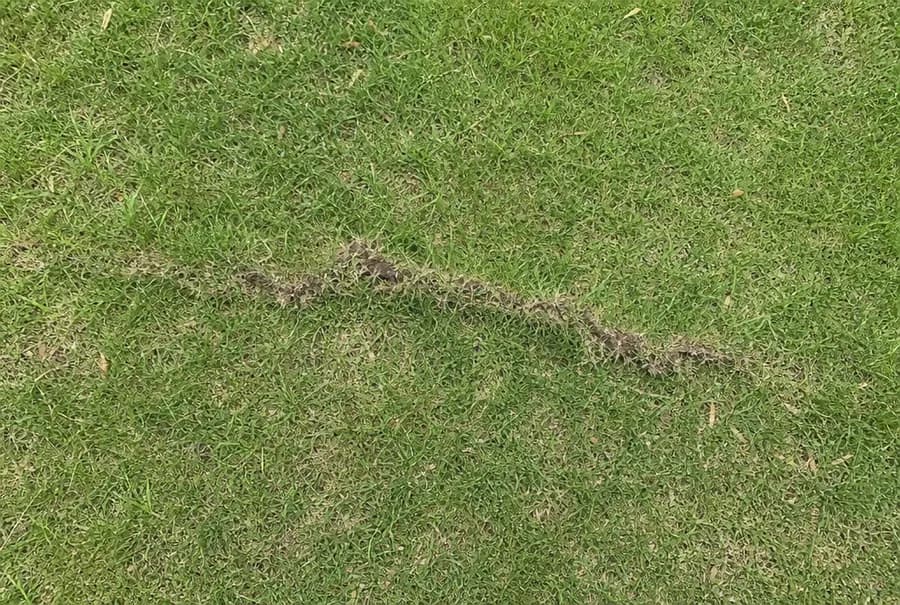
A winding line of lifted turf is a shallow feeding tunnel. Some are used once, some every day.
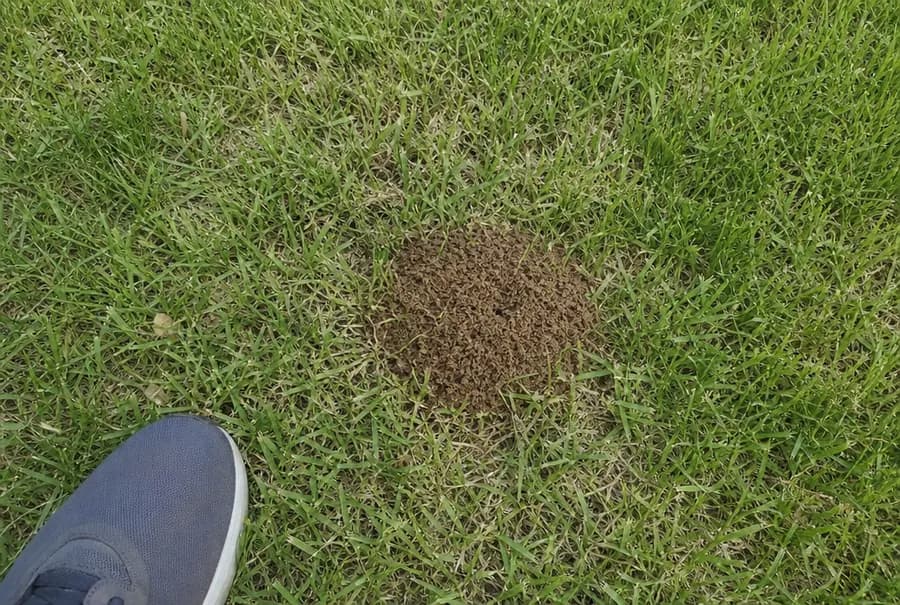
A round mound of loose soil pushed up from a deeper tunnel. Traps go in the runways, not the mounds.
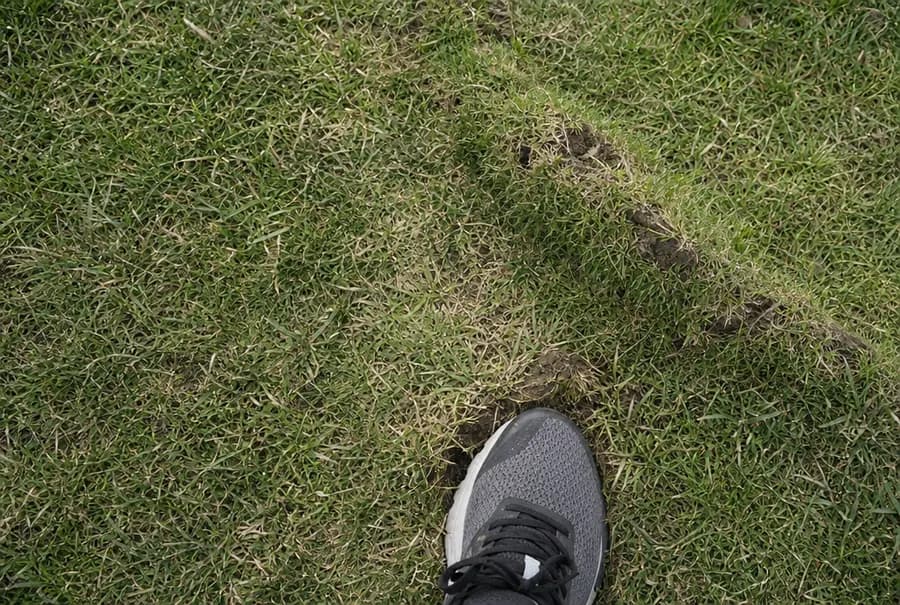
Turf that sinks under your foot is sitting over a tunnel. It can make mowing uneven.
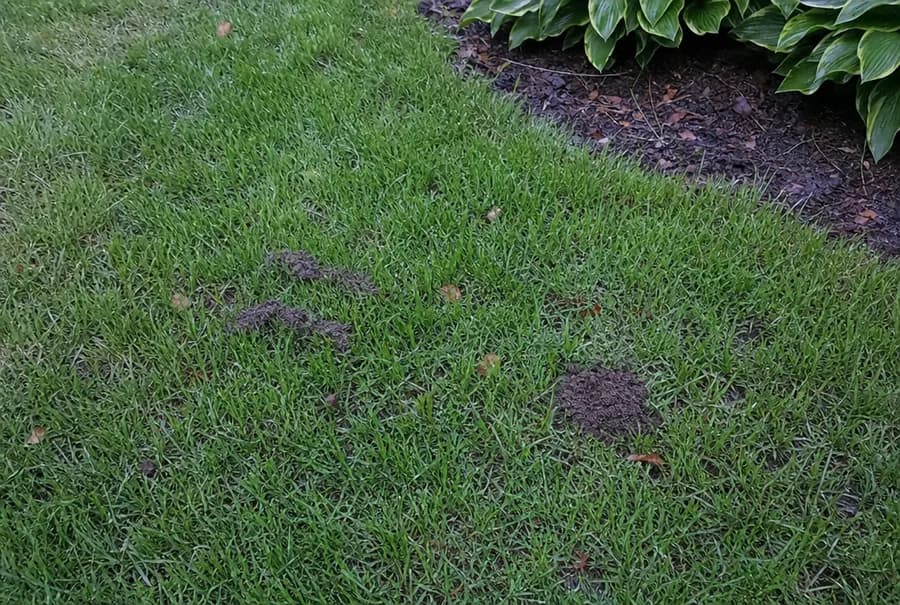
Moles tunnel most when the soil is soft and damp, so new ridges show up after rain in spring and fall.
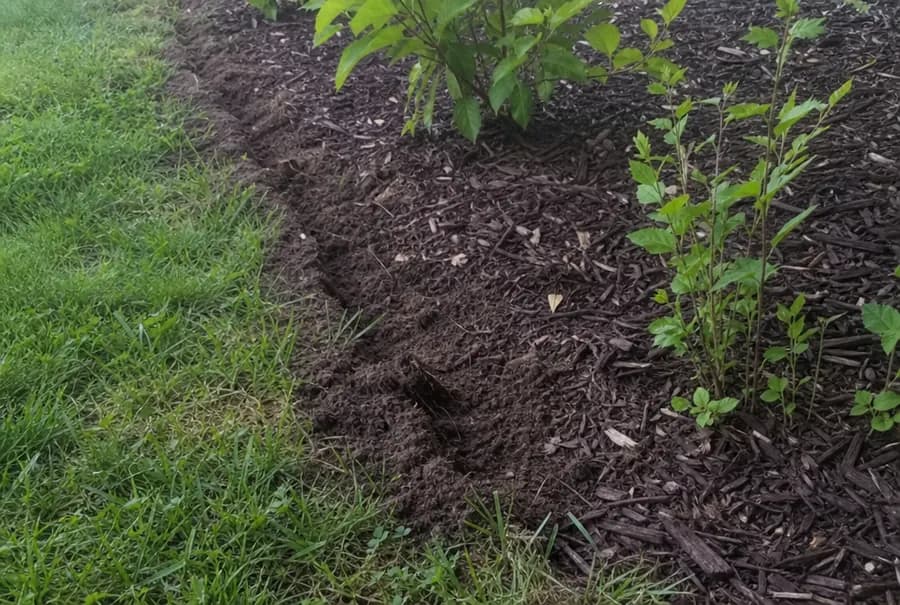
Moles eat worms and grubs, not plants. Plant damage in the bed is often voles using the mole tunnels.
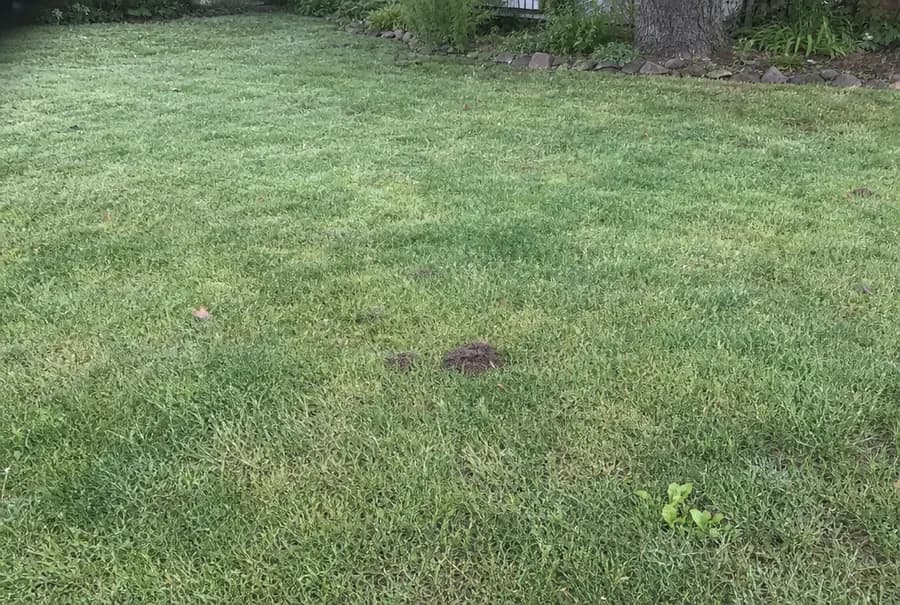
Step a ridge down and check it the next day. If it is back up, that runway is live.
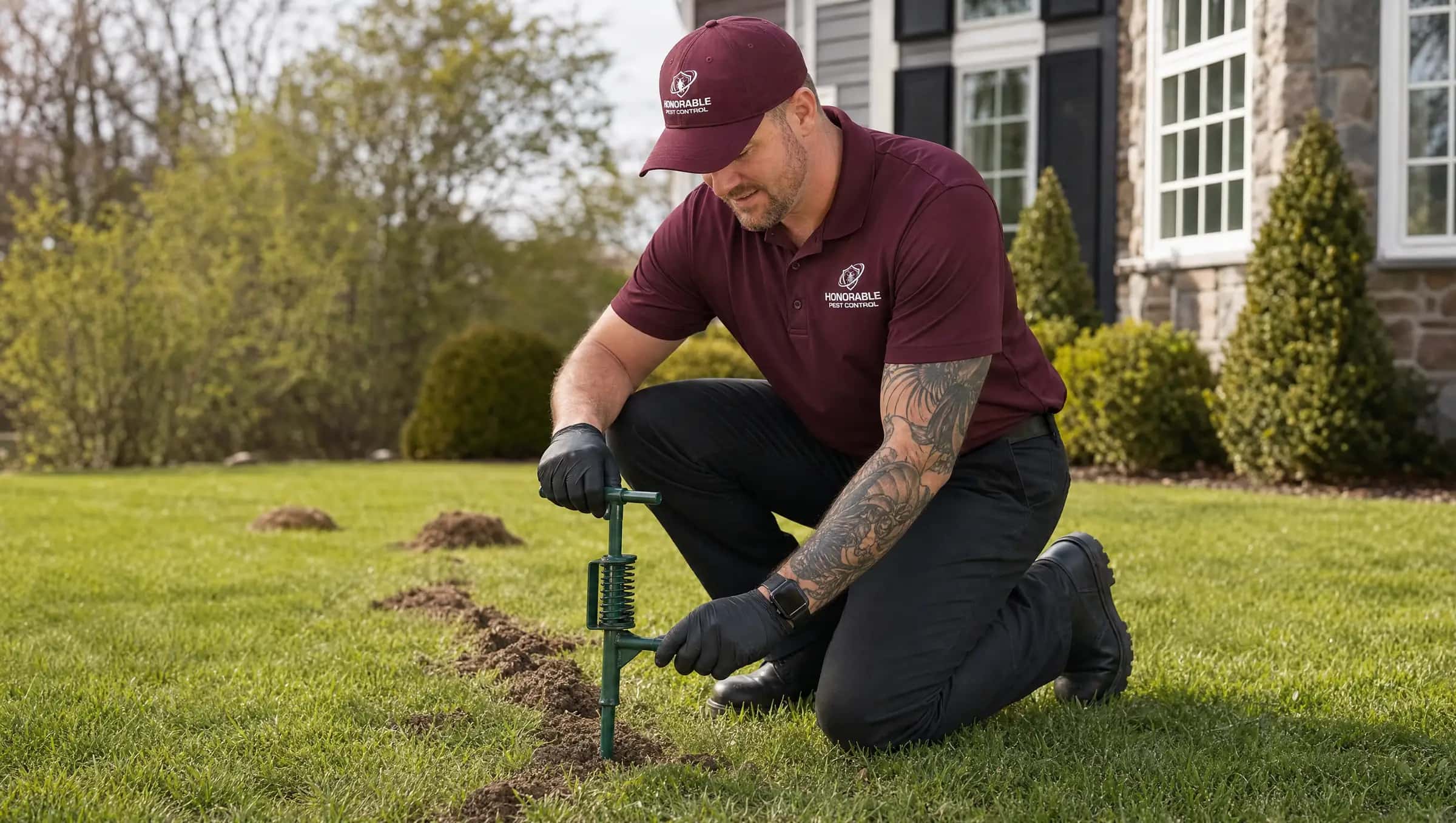
How our exterminators get rid of moles.
Mole control depends on locating runways that are currently active and placing the correct trap properly. The technician should explain the service area, trap type, check schedule, number of visits, follow-up terms, and what happens if new activity appears after the original service.
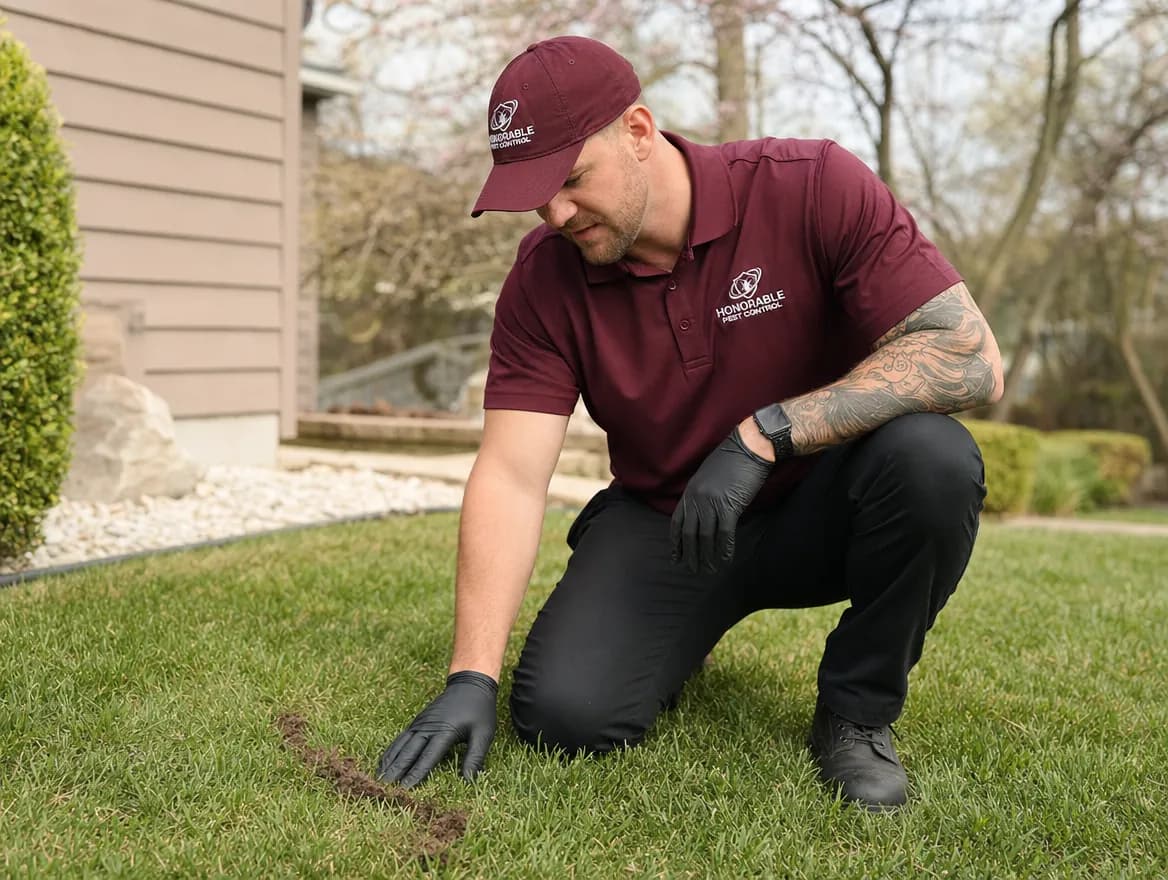
Test which runways are live
We inspect the affected lawn, distinguish likely mole signs from vole or other animal damage, and test selected surface tunnels to identify which runways are being reopened or reused. Not every visible tunnel is active.
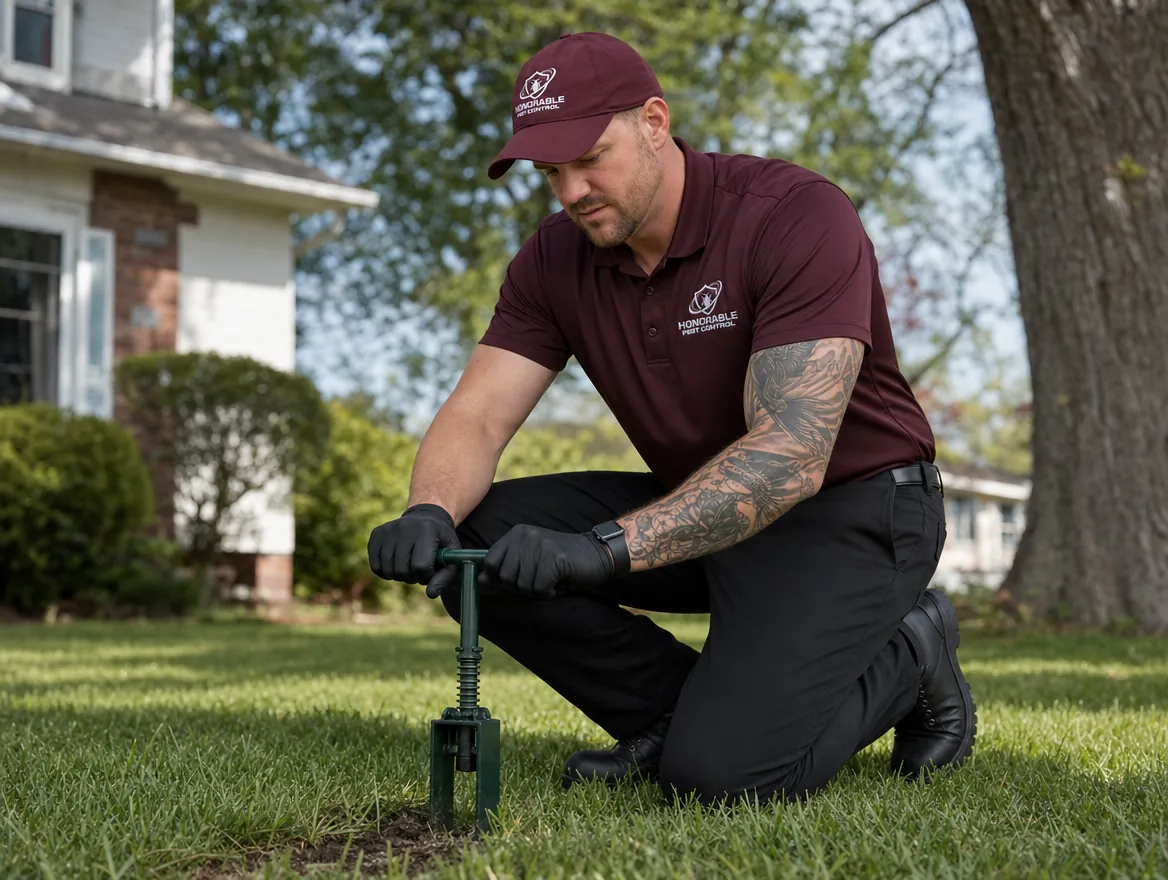
Set the traps in the live tunnels
Traps are placed in active runways according to the trap design and site conditions. The technician explains where traps are located, how the area should be avoided, and when traps will be checked or moved.

Check the traps and come back
The technician checks results, removes captured animals, resets or relocates traps when appropriate, and reviews remaining activity. New moles may enter suitable habitat later. Lawn repair, tunnel flattening, and reseeding may be separate homeowner or landscaping tasks.
Extension guidance identifies trapping as the most effective mole control method, and homeowners can also succeed with patience, active runway testing, and correct trap use. See University of Minnesota mole trapping guidance and MSU mole guidance.
Every mole control visit
The full Honorable TriShield™, every time.
Three layers. The house, the lawn, then the property line. Not a rushed spray along your baseboards. A cheap quote usually skips two of the three.
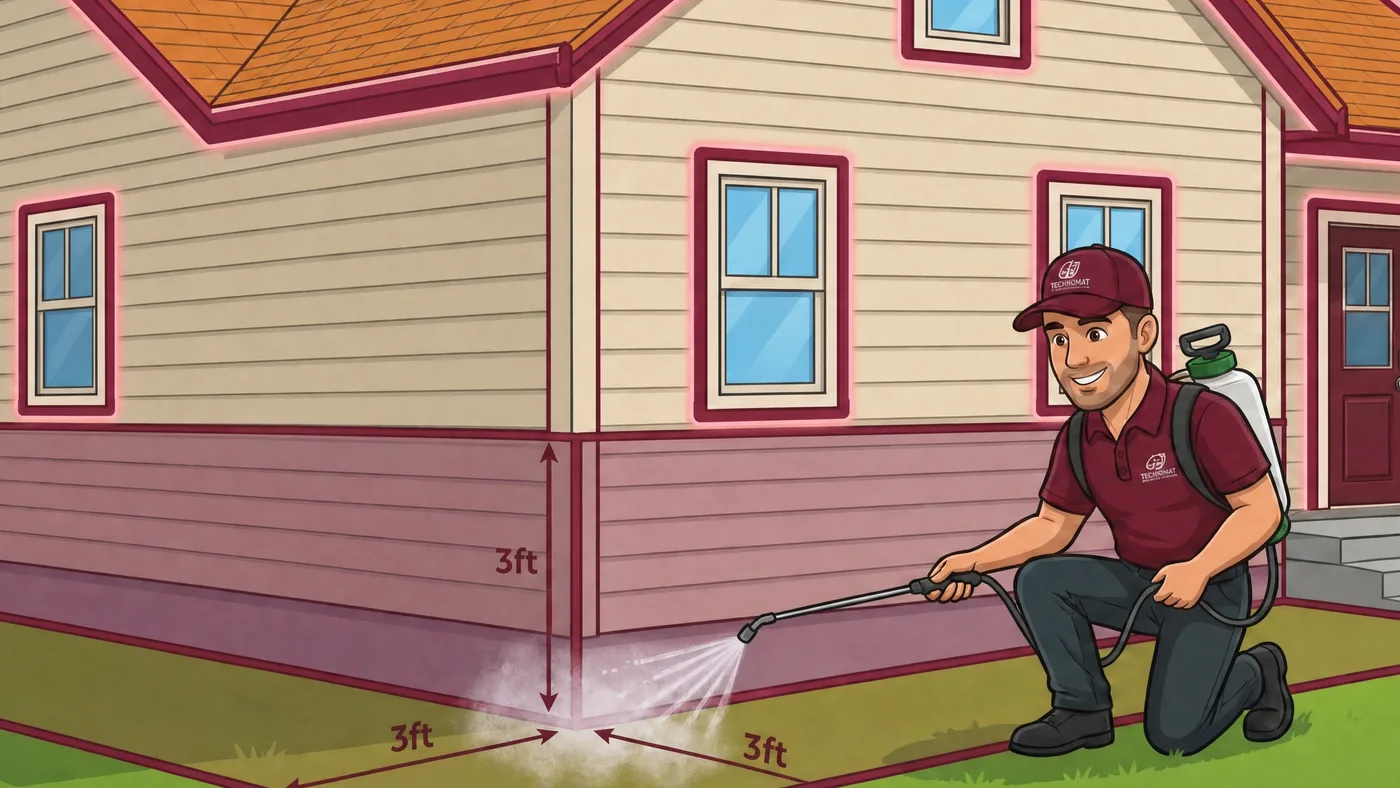
Foundation barrier
Three feet up the wall. Three feet out from it. All the way round the house, plus windows, doors, the garage and the roofline. That strip is the road bugs use to get in.
Measured with a tape, not eyeballed
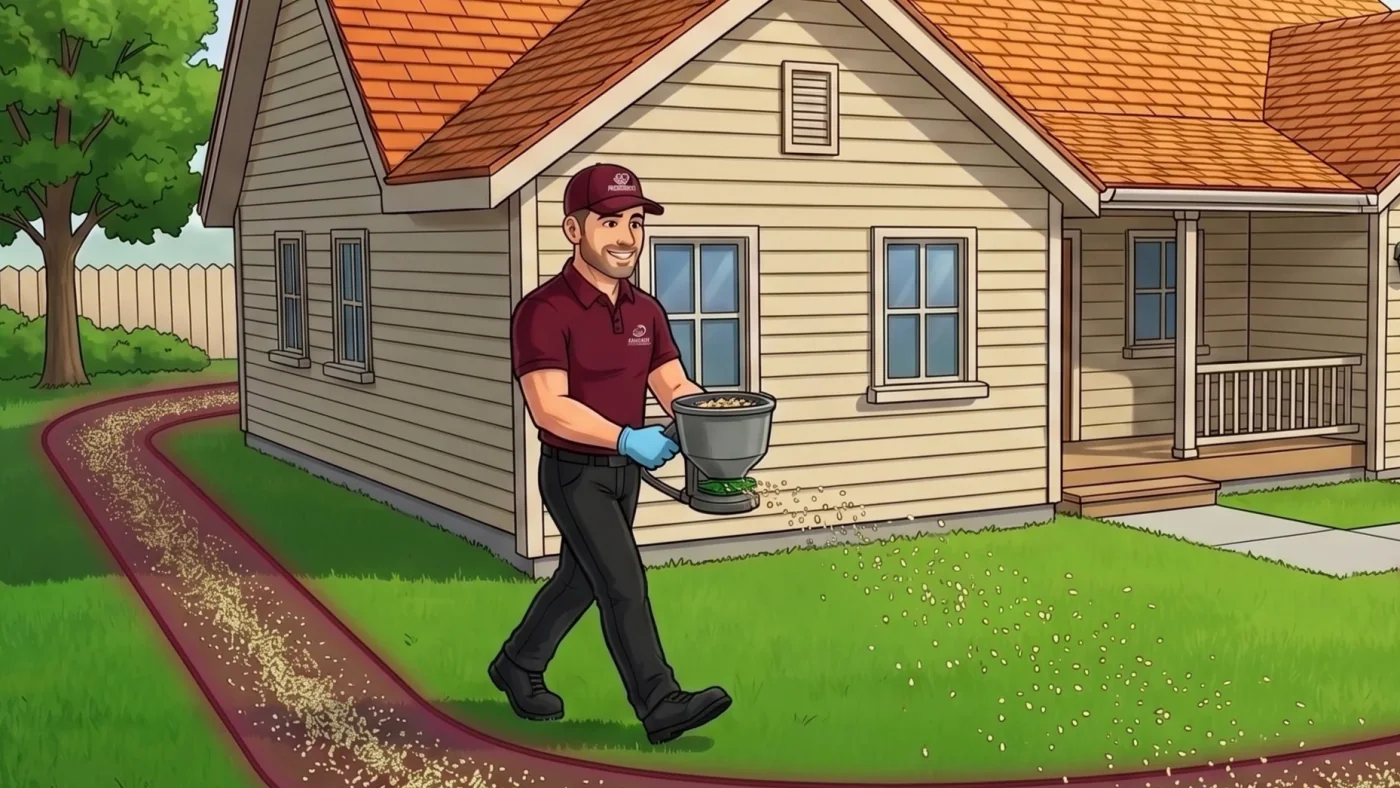
Granular yard moat
A ring of granules across the lawn. Rain wakes it back up. So does your sprinkler. In a Michigan summer that is most weeks.
Skipped by most companies. Granular costs money.
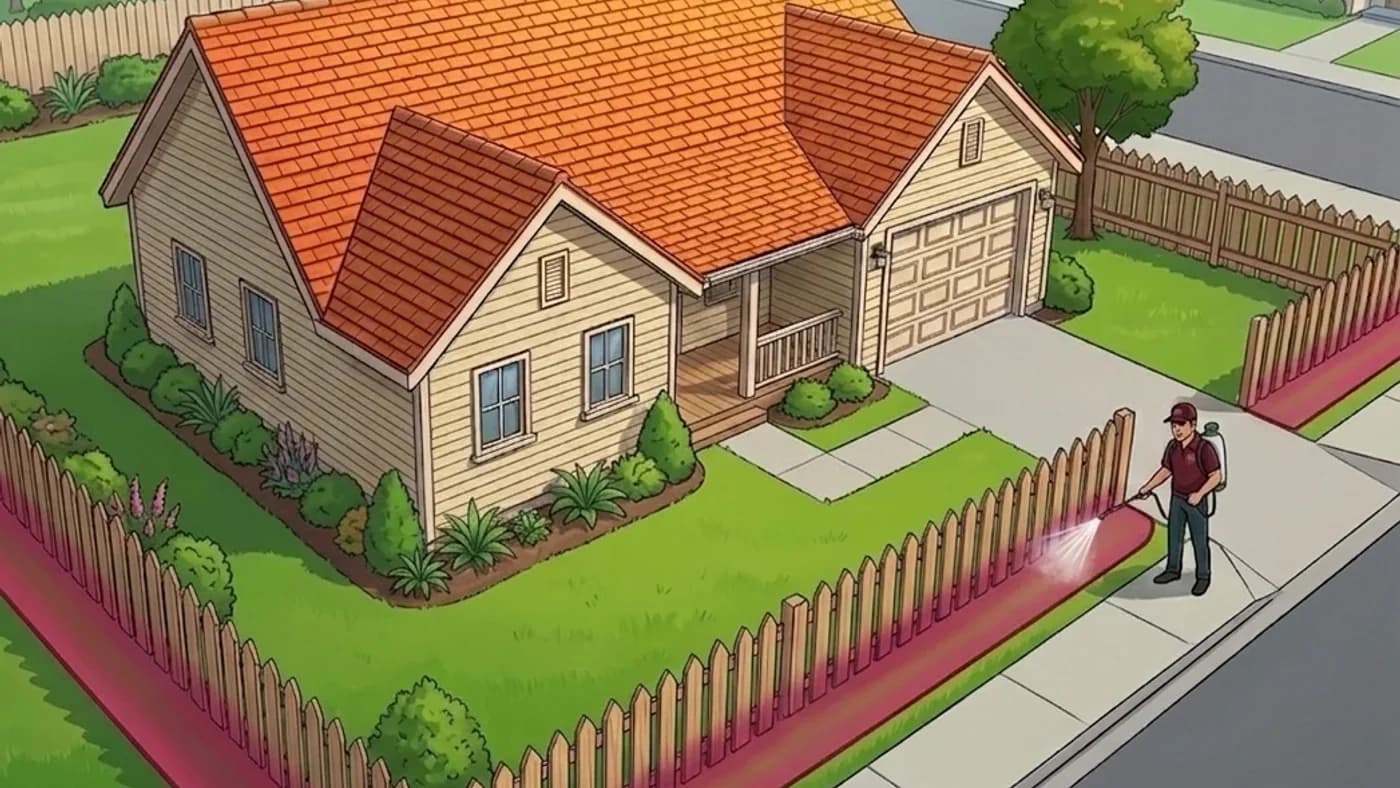
Property line
We spray the whole property line. Bugs get stopped at the edge of your yard, not at your back door.
The layer a cheaper quote quietly leaves out
How to identify what is digging your lawn.
These are the moles we treat that have confirmed sightings in Washtenaw, Oakland, Wayne and Livingston counties, most-recorded first. Each one is identified by independent naturalists, so the animal in the photo is the animal named.
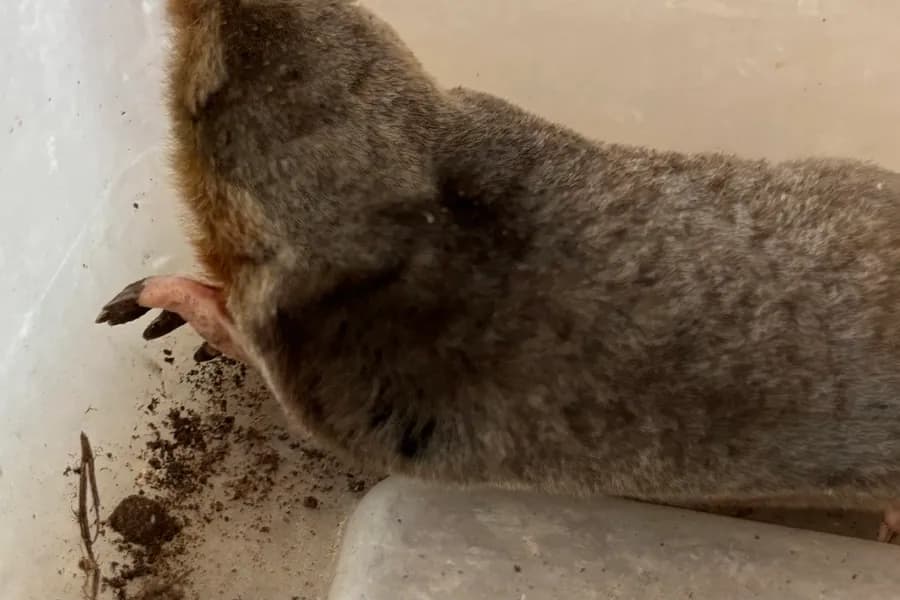
The lawn one. Surface runways and soil mounds across turf.
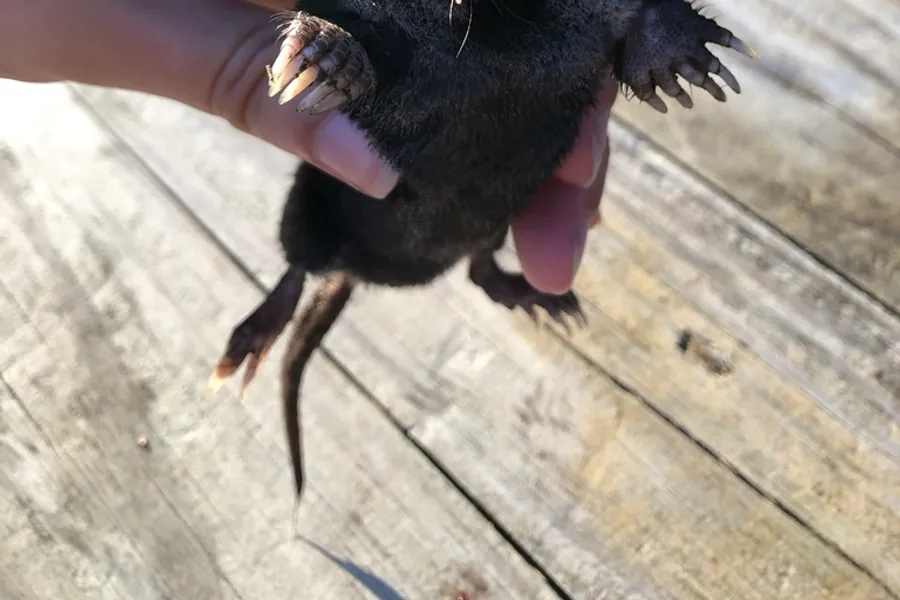
Prefers wet ground, so it shows up in low, poorly drained parts of a yard.
All of these have confirmed sightings in Washtenaw, Oakland, Wayne and Livingston counties. Records from iNaturalist research-grade observations, pulled 2026-09-25. Photos: Eastern mole by Sam Kieschnick (CC BY); Star-nosed mole by Marissa Calvert (CC BY).
What it costs
Mole control is priced on its own.
Moles are not on Honorable Shield. They are their own add-on, priced by the size of your lot. The price depends on one thing: whether you already have any plan with us.
| With any planSubscriber rate | Without a planOne-time rate | |
|---|---|---|
| Who pays this | Honorable, Summer, Rodent or Mosquito Shield customers | Everyone else |
| Priced by | Acreage | Acreage |
| Price | From $197 | From $397 |
Prices are the starting figures: a home up to 1,000 square feet, or half an acre for yard work. What is covered is set out in the plan terms.
Mole control, answered straight.
Do moles eat grass roots?
No. Moles eat earthworms and other things living in the soil. The lawn damage is from tunnelling, which lifts the turf and leaves it uneven. Voles are the ones eating your plants, often using mole tunnels to get around.
What is the most effective way to control moles?
Trapping in an active runway. University extension guidance is clear on that. It works if you confirm the tunnel is in use, pick the right trap, follow its instructions, check it often and move it when the tunnel goes quiet.
Can homeowners trap moles themselves?
Yes, with patience and the trap in the right place. Call us when the activity is spread across the lawn, the tunnel network makes no sense, you have already tried and failed, or you would rather not deal with traps and dead moles.
Do mole repellents, sonic stakes, or grub treatments work?
Sonic stakes and vibrating devices do not, according to extension guidance. Repellents are hit and miss. Grub treatment only helps if you actually have a grub problem, because moles are mainly after earthworms anyway.
Will mole trapping permanently protect my lawn?
No. Nothing stops another mole walking into good habitat. Trapping clears what is there now. If the food and the cover next door stay the same, you may see more later. We tell you what follow-up covers and what counts as a new job.
Are mole traps safe around children and pets?
Only if nobody touches them. Mechanical traps can injure a person or an animal. They go in according to the manufacturer's instructions, get marked, and children and pets stay away from every one. Underground does not mean harmless.
Is mole control included in Honorable Shield?
No, it is a separate add-on: Mole Protection, three treatments a season, priced by lot size. Standalone and add-on terms can differ, so check the method, price, number of visits and follow-up in writing before you enroll.
How much does mole control cost?
It comes down to lot size, how much of it is affected, the method, the number of visits and the follow-up terms. Ask for a written quote that states the whole scope and the total.
Pest-Free Guarantee
They come back? So do we, free.
On Honorable Shield, see a covered pest between visits? We come back within 48 hours and treat it again. You pay nothing.
Mole control where you live.
Old streets with big trees get different bugs than new build on cleared ground. Pick your town to see what we actually find there.
That is not all of them. See all 38 towns, or ask us if we reach your street.
Other pests we treat
One plan covers every one of these. No extra charge when something different shows up.
From our blog
Every visit includes all three barrier layers. See what we treat, or ask an exterminator.
Mole control · Licensed and insured
Request a Mole Activity Assessment
Tell us where the ridges or soil mounds are appearing, how large the affected area is, when the activity began, and whether you have seen clipped grass, plant damage, or visible holes. We will confirm current service availability and explain the approved scope and price.
500+ Customer Reviews·Michigan pesticide business license #820457